

Introduction
Barbara Roufs remains one of the most memorable figures from the golden age of drag racing. Known for her striking appearance, confident stage presence, and association with major racing events in Southern California, she became a lasting symbol of the style and energy that defined motorsports in the early 1970s. Although she was not a driver, her role as a trophy girl and promotional personality made her a recognizable part of the drag racing scene and helped shape how fans remember that era today.
What makes Barbara Roufs interesting is not only her beauty or her association with racing, but the way her image became intertwined with the culture of a fast-changing sport. Drag racing in the 1970s was about more than engines and speed. It was also about presentation, entertainment, local celebrity, and the personalities that gave each event its atmosphere. Roufs stood out in that world, and the photographs and stories that remain have kept her name alive for decades.
In this article, we will explore Barbara Roufs’s biography, her rise in drag racing, her public image, her personal life, and the legacy she left behind. We will also look at why her name still appears in searches today and why she continues to attract attention from readers interested in motorsports history, vintage American culture, and iconic women of the 1970s.
Who Was Barbara Roufs?
Barbara Roufs was an American drag racing trophy girl and model who became known in Southern California during the late 1960s and early 1970s. Her public recognition came through drag racing events, where she served in a promotional and ceremonial role that placed her at the center of the sport’s visual identity. She was not famous as a competitor, but as a personality who helped bring glamour and attention to race-day events.
During this period, trophy girls played an important part in motorsports. They presented awards, appeared in event promotions, and often became closely associated with specific tracks or racing organizations. Barbara Roufs rose to prominence in this environment, becoming one of the most recognizable women connected to drag racing on the West Coast.
What separated Roufs from many others in similar roles was the way her image resonated with audiences. She fit the era perfectly. Her long hair, confident look, and classic 1970s style made her a natural visual symbol for the sport’s flashy and energetic culture. Even decades later, her photographs continue to circulate online, keeping her name alive among fans who appreciate vintage drag racing imagery.
Early Life and Background
The details of Barbara Roufs’s early life are not widely documented in mainstream media, which is part of what gives her story a certain mystery. Publicly available accounts generally place her birth in California in the early 1940s, and she is often described as having ties to Southern California and Fresno. Beyond that, there are relatively few verified details about her childhood, education, or early ambitions.
This is not unusual for local personalities from earlier decades, especially women whose fame came through event appearances rather than long media careers. Many such figures were photographed and remembered visually, but not deeply profiled in the way modern celebrities often are. As a result, Roufs is known more through the atmosphere she created and the legacy she left than through a detailed biographical record.
Still, the little that is known suggests that she was part of a generation shaped by postwar California car culture. Southern California in the 1960s and 1970s was a hub for hot rods, drag strips, and youth-centered automotive subcultures. The region’s racing scene produced many local icons, and Barbara Roufs became one of its most memorable faces.
How Barbara Roufs Became Famous
Barbara Roufs became famous through her role in drag racing events, especially in the Southern California racing community. She was associated with major tracks and events, including Orange County International Raceway, where she appeared as a trophy girl and event queen. In that role, she became part of the pageantry that surrounded drag racing in its most glamorous era.
Her fame grew because she was visible, photogenic, and connected to a sport that was gaining both regional and national attention. Drag racing in the 1970s was a spectacle. Fans came not only for the cars and competition, but for the culture surrounding the events. Trophy girls helped create that atmosphere, and Barbara Roufs became one of the most admired among them.
She is frequently remembered for being named queen at important racing events, including the Professional Dragster Association. Such titles helped establish her reputation and tied her identity directly to the racing community. These honors may seem ceremonial today, but at the time, they carried visibility and prestige within the motorsports world.
Her rise also reflected how photography helped shape celebrity in that era. Roufs was captured in a style that emphasized the drama and flair of 1970s racing. The images of her on trackside platforms and event stages helped create the iconic impression that still defines her public memory.
Barbara Roufs and Drag Racing Culture
To understand Barbara Roufs, it helps to understand drag racing culture in the 1970s. This was a period when the sport blended raw mechanical power with showmanship. Drivers, teams, promoters, and event staff all contributed to the experience. The race itself mattered, but so did the spectacle around it.
Trophy girls were part of that spectacle. They presented awards, posed in promotional materials, and often represented the personality of a track or event. In modern terms, their role might be seen as promotional or ceremonial, but in the 1970s it was central to the presentation of racing. Barbara Roufs embodied that era’s style and confidence.
Her presence helped communicate that drag racing was not just a technical or competitive sport. It was an event with personality. Fans came to see speed, but they also came to see the people who made the scene feel exciting and memorable. Roufs contributed to that sense of occasion.
This is part of why she remains popular in motorsports memory. She represents a time when racing culture had a distinctive visual identity. The cars were loud, the crowds were energetic, and the women associated with the sport helped give it glamour and character. Barbara Roufs became one of the faces of that world.
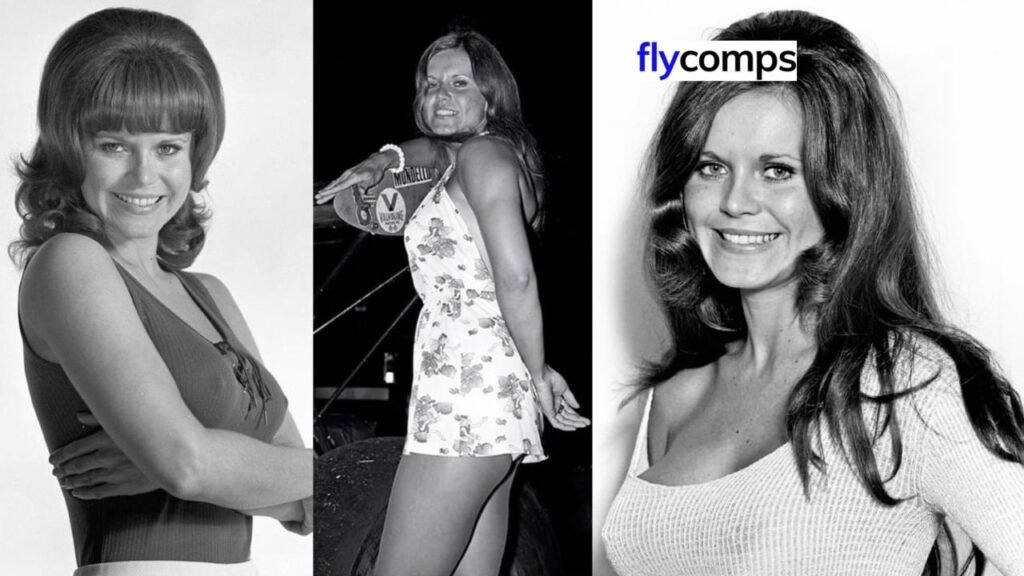
Her Signature Style
Barbara Roufs is often remembered for her unmistakable style. She had the kind of look that fit the 1970s perfectly: long hair, bold fashion choices, and an image that combined glamour with California cool. Her appearance made her stand out in photographs and gave her a distinctive place in racing history.
That style mattered because drag racing was highly visual. Posters, race programs, and event photos helped shape how fans remembered the sport. Roufs looked like someone who belonged in the frame. She projected confidence and a relaxed kind of beauty that felt authentic to the era rather than staged.
Her images continue to be shared because they capture a specific moment in American culture. They remind viewers of a time when motorsports had a very different aesthetic. The combination of chrome, speed, sun, leather, and fashion created a world that looked larger than life, and Barbara Roufs was one of the personalities who helped define it.
Her legacy is therefore partly visual. Even people who know little about drag racing can recognize the appeal of the photographs. They speak to a time and style that has become nostalgic, and Roufs has become one of the figures most closely associated with that feeling.
The Role of Trophy Girls in the 1970s
Barbara Roufs’s story also offers a window into the role of trophy girls in mid-century and 1970s American racing culture. Trophy girls were often tasked with award presentations and promotional appearances. They became part of the pageantry that helped racing events attract attention beyond the competition itself.
At the time, this role was widely accepted as part of the entertainment value of motorsports. Today, it may be viewed differently, but historically it played a real part in how events were staged and remembered. The women in these roles often gained local or regional fame, and some became iconic figures within the racing world.
Roufs is one of the best-known examples because her photographs and event associations have endured. She did not need a long television career or a string of interviews to become memorable. Her image was enough. In a sense, she became a kind of symbol for the era’s entire approach to racing presentation.
That is one reason why searches for Barbara Roufs remain common. People are not only looking for a person. They are looking for a piece of cultural history, a visual reference point, and a story from a time when local racing scenes could produce unforgettable personalities.
Barbara Roufs in Historical Memory
Barbara Roufs is remembered today largely through photographs, fan pages, articles, and online tributes. Her name appears often in discussions of vintage drag racing, especially in lists of iconic women from the sport. That continued attention is a sign of how strongly her image has lasted over time.
Part of her historical memory comes from the way nostalgia works. People interested in classic cars, hot rods, and old racing culture often look back at the personalities who helped define the scene. Roufs fits naturally into that world because she represents the energy, color, and style of the period.
Her story also benefits from the fact that vintage motorsports fans tend to preserve imagery and ephemera. Photos from race events, old programs, and promotional images often get shared again and again. Barbara Roufs is one of those figures whose visual legacy may actually be stronger than her written biography.
This makes her an important example of how memory works in popular culture. A person can become iconic not because of a huge media footprint, but because a few powerful images and associations remain emotionally resonant for decades.
Personal Life and Family
Public information about Barbara Roufs’s personal life is limited. Some sources describe her as a mother and mention a daughter, but detailed family history is not widely documented in authoritative mainstream outlets. That scarcity of information has left room for speculation, inconsistent accounts, and repeated use of secondary sources.
For readers, this means the safest approach is to focus on what is broadly established rather than exaggerating what is not. Roufs is remembered primarily for her role in drag racing, not for a long public-facing personal biography. Her private life remained relatively obscure, which is one reason her public image has become so central to how she is remembered.
That said, the mention of family in available memorial and biographical references suggests that she had a life beyond the track. Like many local figures from her era, she lived outside the spotlight except when event photography or fan recollection brought her back into view.
This balance between public image and private life is part of what gives her story emotional weight. She was seen by many, but personally known by few.
Death and Cause of Death
Barbara Roufs died in 1991 in Fresno, California. Most available sources place her age at 47 at the time of her death. Several biographies and memorial-style references state that her death was by suicide.
Because detailed primary reporting is limited, it is wise to treat the cause-of-death information carefully and respectfully. What is clear is that her death marked the end of a life that had already become part of drag racing’s nostalgic memory. After her passing, her image continued to circulate, and in some ways her fame became even more anchored in the vintage racing community.
Her death also contributes to the often-melancholic tone of retrospective profiles. Many readers discover her through old photographs first, then learn that her life ended relatively early. This contrast between beauty, excitement, and tragedy has helped keep her story alive in internet culture.
Why Barbara Roufs Still Draws Attention
Barbara Roufs remains popular in search results because she sits at the intersection of several enduring interests. She is connected to classic American motorsports, 1970s fashion, vintage photography, and the history of women in public-facing racing roles. That combination gives her broad appeal.
She also represents a specific kind of local celebrity that modern media no longer produces in the same way. Today, visibility is often driven by social platforms and global branding. In Roufs’s era, however, a person could become memorable through a regional event scene, strong imagery, and word-of-mouth reputation.
Another reason she still draws attention is that people are increasingly interested in the stories behind old photographs. Fans want to know who the women in those iconic racing images were, what role they played, and how they fit into the culture of the time. Barbara Roufs is one of the names that repeatedly surfaces in that search.
Her ongoing relevance shows that historical memory is not limited to major celebrities. Sometimes a local figure with a vivid image and a distinctive presence can leave a longer impression than many people who were more famous in their own time.
Barbara Roufs and the Golden Age of Drag Racing
Many fans describe the 1970s as a golden age of drag racing, and Barbara Roufs is often tied to that label. The period had a special energy. Cars were wild, technology was rapidly evolving, and events drew both serious racing fans and casual spectators who wanted entertainment and excitement.
Roufs’s image fits perfectly into that golden-age narrative. She was part of the look and feel of the sport when it was still deeply rooted in local culture and regional racing communities. Before motorsports became as corporate and globalized as they are today, the scene had a more intimate and colorful character.
That is why her photographs are so effective. They do not merely show a person. They show a culture. You can almost sense the environment around them: the warm California air, the buzz of the crowd, the engines in the background, and the sense that you are looking at a moment from a different America.
For this reason, Barbara Roufs is not just a name in drag racing history. She is a symbol of a time, and that makes her story more enduring than a simple biography might suggest.
The Legacy of Barbara Roufs
Barbara Roufs’s legacy is tied to memory, image, and cultural symbolism. She helped define a visual era of drag racing, and her photographs continue to represent the glamour side of the sport. Even though her public career was relatively brief, the impression she left has lasted for more than half a century.
In motorsports history, some people are remembered for wins, records, or engineering breakthroughs. Others are remembered because they shaped the atmosphere of the sport. Roufs belongs to the second group. Her importance lies in her contribution to the identity of racing culture.
Her legacy also reflects the changing ways people revisit the past. Through online communities, blog posts, archival photos, and fan conversations, Barbara Roufs has become part of a larger effort to preserve the visual history of drag racing. That continued interest ensures that her name will not disappear anytime soon.
For many readers, she represents the beauty, confidence, and glamour of a very specific era in American life. That is a powerful legacy, especially for someone whose fame came from presence rather than performance.
FAQ Section
Who was Barbara Roufs?
Barbara Roufs was an American drag racing trophy girl and model from California who became known in the early 1970s.
What was Barbara Roufs famous for?
She was famous for her role in drag racing events, especially her work as a trophy girl and queen in Southern California racing culture.
Where was Barbara Roufs from?
Public sources commonly connect her to California, especially Southern California and Fresno.
When did Barbara Roufs die?
Barbara Roufs died in 1991 at the age of 47.
Why is Barbara Roufs still remembered?
She is remembered as one of the iconic women of 1970s drag racing and as a visual symbol of the sport’s golden era.
Conclusion
Barbara Roufs remains one of the most recognizable women associated with classic drag racing. Her story is not one of championships or driving records, but of image, culture, and presence. She helped define the look of a vibrant motorsports era, and her photographs still evoke the excitement and style of 1970s Southern California racing.
Her legacy continues because she represents something larger than herself. She is part of the history of drag racing, part of the visual record of 1970s American culture, and part of the lasting appeal of vintage motorsports. For readers searching for Barbara Roufs today, the interest is often about more than biography. It is about rediscovering a time when racing was as much a cultural event as a competition.